The Appeal of Handcrafted Desserts at a Pie Shop
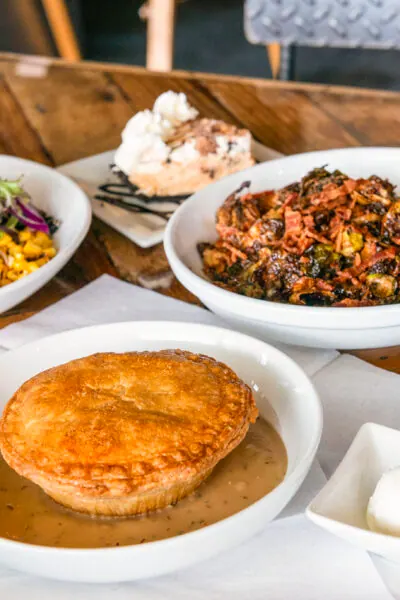
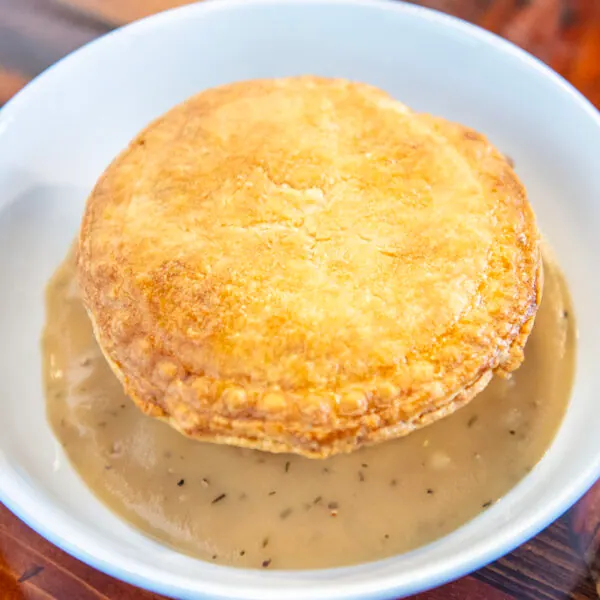

There is a particular kind of satisfaction that comes from stepping into a pie shop and seeing desserts that were clearly made by hand. The crusts are not identical. The crimping has slight variation. A fruit filling may have bubbled over on one edge, leaving a dark, glossy mark that tells you it spent enough time in a hot oven to finish properly. Those details are not flaws. They are evidence.
Handcrafted desserts carry a kind of credibility that mass-produced sweets struggle to imitate. People can taste the difference, certainly, but they also read it visually and emotionally. They notice when apples still hold their shape instead of collapsing into sweet paste. They notice when whipped cream tastes like cream rather than stabilizers. They https://knoxlpue314.evergrovio.com/posts/how-a-pie-shop-turns-baking-into-an-art-form notice when a lemon filling lands with brightness first and sugar second. A good pie shop builds loyalty through those moments.
That loyalty matters because dessert is rarely a purely practical purchase. No one needs a brown butter pecan pie on a Wednesday afternoon. They want it. They choose it because it promises comfort, pleasure, nostalgia, or celebration. Handcrafted desserts answer that desire more convincingly than factory-perfect alternatives. They feel personal, even when sold from a busy display case.
Why handmade still stands out
The appeal of handcrafted desserts begins with restraint. A skilled baker knows what not to do. Not every filling needs to be overloaded with spice. Not every crust should be laminated into something so rich it dominates the fruit. Not every topping should be piled high enough for social media. At a strong pie shop, the dessert is balanced. Sweetness supports flavor instead of flattening it.
That difference usually starts with ingredient behavior. Fruit varies from week to week. Strawberries in early spring do not bake the same way as peak summer berries. One batch of peaches may throw off far more juice than the next. A baker working by hand responds to those changes. Maybe the thickener gets adjusted slightly. Maybe the sugar is dialed back because the fruit came in especially ripe. Maybe the pie needs a longer cool-down before slicing. Those are small decisions, but they separate craft from assembly.
Customers may not name those adjustments directly, but they feel them. They describe the pie as tasting fresher, cleaner, more real. In many cases, what they are sensing is judgment. Handcrafted desserts are appealing because they reflect someone paying attention at every stage, from mixing dough to setting the finished pie in the case.
A pie shop is one of the best places to see this in action because pie has nowhere to hide. Cakes can rely on frosting. Cookies can lean on texture alone. Pie is exposed. The crust has to be flaky without turning dry. The filling has to hold together without becoming gummy. The bottom has to bake through, which sounds simple until you have spent time around fruit pies and watched how quickly they can go soggy. When a slice is excellent, you are seeing technique, not luck.
The crust tells the story
If you want to understand why handcrafted desserts resonate so strongly, start with crust. Pie crust is often treated like a supporting player, but in a well-run pie shop, it is the foundation of the whole business. Crust announces whether the baker values texture, flavor, and timing.
A hand-mixed crust tends to have more character than an industrial one. You can see layers where the fat remained distinct and melted during baking, creating flake instead of uniform crumble. You can taste butter if butter is used, or the clean tenderness of shortening if that was the chosen approach. You can tell whether the dough was overworked. You can even tell whether it was rolled with confidence. A hesitant hand often leads to excess flour, and excess flour leaves the crust dull and chalky.
These are not abstract baker’s complaints. They directly shape the customer experience. A tough crust asks the diner to saw through the slice with a fork. A greasy crust coats the palate and makes every filling taste heavier. A bland crust turns pie into sweet filling in a container. By contrast, a good crust adds its own toasted, savory depth. It gives the filling structure and contrast. It makes each bite complete.
One of the quiet pleasures of a pie shop is seeing the signs of hand-finished crust work. The edges may be rope-crimped on one pie and fork-pressed on another. A top crust might sit a little off-center because it was laid by a person, not stamped by a machine. Decorative cutouts might brown more deeply at the corners. These details create visual warmth. The pie looks edible before it is even sliced.
Flavor that feels grounded
A handcrafted dessert succeeds when it tastes specific. Not generically sweet, not vaguely “berry,” not aggressively spiced to make up for weak produce. Specific. Blueberry should taste deep and jammy, with acidity intact. Coconut cream should carry real toasted coconut aroma, not just sugar and vanilla. Chocolate chess pie should feel dense and almost truffle-like, but not so heavy that one bite is enough.
Specific flavor comes from a baker willing to work in layers. Salt matters more than many customers realize. Citrus zest matters. Bitterness matters, especially in caramel and chocolate desserts. Texture matters within flavor, too. Chopped walnuts in a maple pie do something very different from whole pecans in a pecan pie. A coarse crumb topping changes the experience of baked apples because it breaks unevenly and gives contrast.
This is where a pie shop often wins people over who do not think of themselves as dessert lovers. They are not responding to sugar alone. They are responding to complexity. A slice that balances browned butter, tart fruit, flaky pastry, and a pinch of salt feels composed rather than indulgent for its own sake.
That quality is especially important now that many customers have become more selective with treats. If someone is going to spend seven or eight dollars on a single slice, or thirty-five to fifty dollars on a whole pie depending on the market, it needs to feel worth it. Handcrafted desserts justify that purchase by delivering nuance. They taste made, not merely bought.
The human element customers can sense
People like to talk about authenticity as if it were a branding trick, but in a good pie shop, it is more practical than that. Authenticity shows up in labor. Someone peeled the apples. Someone toasted the nuts. Someone checked the custards for wobble and pulled them at the right moment. Someone came in early enough to laminate dough before the kitchen got too warm. The customer may never witness that work directly, yet they sense its presence in the finished product.
That sense of care changes how people engage with the business. They ask questions. Which pie is best today? Is the cherry pie sour cherry or sweet? Does the banana cream have a pastry cream base or a pudding-style filling? Those are not the questions people ask about generic desserts. They ask them when they believe the answers matter.
At the counter, handmade desserts also invite conversation because each batch has a life of its own. A baker might tell a customer that the strawberry rhubarb is especially good this week because the rhubarb came in sharp and bright. Another day, they may steer someone toward coconut cream because the fruit pies sold quickly and only a few cream slices remain at peak texture. This exchange gives the pie shop something chain dessert operations struggle to offer: real-time guidance.
That personal interaction is part of the product. It helps customers trust recommendations, return more often, and develop favorites tied to seasons or occasions. Over time, the pie shop becomes woven into family habits. One household orders apple every Thanksgiving. Another stops in for chocolate cream after Little League games. Another buys a lemon meringue pie every year for a grandmother who insists no birthday cake can compete. Handcrafted desserts fit naturally into those rituals because they feel made for memory.
Imperfection, when it is the right kind, builds trust
A polished dessert case can be beautiful, but too much uniformity often works against the spirit of a pie shop. Customers generally do not expect every lattice to match. In fact, they are reassured when they do not. Perfect sameness hints at automation. Slight variation suggests skilled hands moving quickly through real work.
There is an important distinction here. Good imperfection is not sloppiness. Burnt bottoms, leaking fillings, collapsed meringues, and underbaked crusts are not charming. But a slightly uneven hand-crimp or a rustic galette shape can make a dessert more inviting. It lowers the distance between maker and customer. The pie looks like food first, product second.
This matters because handcrafted desserts thrive on appetite appeal, not sterile perfection. When a peach pie leaks a little caramelized juice under the vent cuts, it often looks more delicious, not less. When whipped cream is swirled by hand and settles a touch overnight, it feels honest. Customers are often more forgiving of these natural signs of production because they associate them with freshness.
One helpful way to think about it is this:
- Good variation signals handwork and freshness.
- Bad inconsistency signals weak technique or poor quality control.
- The best pie shops know the difference and train for it.
- Customers may not use those words, but they respond accordingly.
That balance is harder to achieve than it looks. The best shops preserve the warmth of handmade production while still delivering reliability. The apple pie you loved in October should still be excellent in February, even if the fruit blend or spice level shifts slightly with the season.
Seasonality gives handmade desserts their edge
One reason handcrafted desserts stay compelling is that they allow a pie shop to move with the calendar. Seasonality is not just a marketing concept. It is a flavor advantage. Fresh sour cherries in summer, pumpkin and pecan in late fall, citrus pies in winter, berry pies at the height of heat, these desserts feel timely because they are tied to real ingredients and real cravings.
Seasonality also keeps the case interesting. A regular customer may come in for the dependable staples, but they return more often when the menu changes enough to reward curiosity. That change does not have to be dramatic. Even small shifts matter. A classic apple pie can become apple cranberry in November, then apple ginger in December, then apple blackberry when late summer fruit is abundant.
For the baker, seasonal rotation is both opportunity and constraint. Certain fillings are easier to manage than others. Berry pies can run or weep if the fruit is especially wet. Stone fruit changes sugar levels fast. Custard pies become trickier in warm weather if display conditions are not tightly controlled. But those challenges are part of what gives a handcrafted pie shop its identity. The menu reflects what the kitchen can execute well right now, not what a supply chain can standardize year-round.
Customers appreciate that honesty more than many operators assume. If a pie shop says, “We are done with strawberry rhubarb until next spring,” that absence builds anticipation. The dessert becomes something worth waiting for, which is rare in a market where nearly everything is available all the time.
Texture is where craft becomes obvious
Flavor draws people in, but texture often decides whether they come back. Handcrafted desserts excel when they deliver contrast. Think of the crack of a brûléed sugar top on a custard tart, the cool softness of banana cream against a crisp shell, or the way a streusel topping fractures over tender fruit. Those contrasts are difficult to fake at scale because they depend on timing and handling.
A pie shop lives and dies by these details. Cream pies cannot sit too long without losing edge. Meringue needs careful management, especially in humid conditions. Fruit pies need enough rest after baking to set, but not so much that the crust loses vitality. Even the way a slice is served matters. A cold key lime pie is refreshing because the filling firms and sharpens. A pecan pie often benefits from serving closer to room temperature so the filling loosens and the toasted nuts become more aromatic.
This is where experienced shops distinguish themselves from businesses that simply add pie to the menu. They know which desserts can hold all day and which should be sliced to order. They know that a freezer can save inventory, but also flatten texture if used indiscriminately. They know that whipped toppings made in-house need different handling from stabilized commercial versions.
A customer might not describe these choices in technical terms, but they recognize them immediately. They say the pie “eats light” even though it is rich. They say the crust is “actually crisp.” They say the chocolate cream is “not gluey.” These are plain-language responses to skilled production.
The value goes beyond nostalgia
Pie carries nostalgia almost automatically, and that is part of its appeal, but handcrafted desserts are not valuable only because they remind people of childhood. In many cases, they surpass memory. Plenty of people grew up on supermarket pies, canned fillings, frozen crusts, and whipped topping from a tub. Their affection for pie is real, but so is the gap between what they knew and what a serious pie shop can offer.
That gap is where discovery happens. A customer orders butterscotch pie expecting something sweet and old-fashioned, then realizes real butterscotch has depth from properly cooked sugar and butter. Someone who thinks they dislike pumpkin pie tries one made with more spice balance and less cloying sweetness, then changes their mind. A chocolate lover who usually ignores fruit desserts tastes a well-made sour cherry pie and suddenly understands what acidity can do.
Handcrafted desserts give familiar formats new dignity. They prove that comfort food does not have to be careless. In a pie shop, something humble can still be exacting.
Why a pie shop creates a different kind of loyalty
People are loyal to restaurants for many reasons, but dessert businesses operate on emotion in a particularly direct way. A pie shop earns repeat business by becoming dependable at meaningful moments. Holidays are obvious, but the daily occasions matter too. A rough week. A dinner invitation. A Sunday visit with family. A thank-you gift that feels warmer than flowers.
When desserts are handcrafted, the shop becomes easier to recommend. Customers trust that a pie brought to a gathering will be noticed. They trust that the bakery is putting its reputation into every crust and filling. That confidence is powerful because pie is often shared. One strong dessert reaches six or eight people, sometimes more, and each of those people becomes a potential future customer.
From an operator’s standpoint, this is one of the quiet strengths of the category. A whole pie sits at the center of a table in a way a pastry box usually does not. It becomes a conversation piece. Guests ask where it came from. Someone takes a second slice. Another person says they did not even think they liked coconut cream pie. The pie shop gains advocates without needing a formal sales pitch.
The most effective businesses understand that handcrafted quality must carry through the full experience. The box should protect the crust. Staff should know how to advise on serving and storage. If a pie needs refrigeration, that should be clear. If it is best eaten the same day, say so. These details are not glamorous, but they support the central promise that the dessert was made with care.
Here are a few qualities customers consistently respond to in a handcrafted pie shop:
- clear flavors that taste of their ingredients
- crust with texture and character
- seasonal rotation that feels intentional
- service that includes confident guidance
- consistency strong enough to build trust over time
Craft has limits, and good shops respect them
It is worth acknowledging that handmade production is not automatically superior in every situation. A pie shop can lean so heavily on its small-batch identity that it excuses inconsistency, poor service, or limited availability that frustrates customers. Craft is not a substitute for discipline. If the lemon meringue is weeping every humid afternoon, that problem needs solving. If popular pies sell out too early every weekend, production planning may need attention.
There is also the matter of price. Handcrafted desserts cost more to produce. Butter, fresh fruit, eggs, cream, labor, rent, packaging, spoilage, all of it adds up. A well-made pie is not cheap, and not every customer can make it a regular purchase. The strongest shops handle this reality by being transparent in quality rather than defensive in messaging. When people see generous fillings, solid technique, and real ingredients, they are far more willing to pay for them.
The smartest operators also know when to simplify. A menu with twelve mediocre pies is less appealing than a menu with six excellent ones. Not every trend deserves a place in the case. Sometimes the best business decision is to keep making the staples exceptionally well and let seasonal specialties rotate in with discipline.
That restraint is part of the appeal, too. A serious pie shop knows its lane. It does not need to become a novelty factory to stay relevant.
What people are really buying
On the surface, customers buy dessert. More specifically, they buy a slice, a whole pie, a special treat after lunch, or something to bring home after work. But the deeper purchase is confidence. They want to know the pie will deliver.
Handcrafted desserts make that promise in a way industrial sweets often cannot. They suggest attention, judgment, and pride. They feel rooted in a place and a process. When a pie shop gets it right, the dessert is not just sweet. It is composed, generous, and alive to the small decisions that make eating memorable.
That is the enduring appeal. A handcrafted pie does not have to be loud to be impressive. It can be a straightforward apple pie with a deeply browned crust and fruit that still tastes like apples. It can be a silky chocolate cream pie with real bitterness under the sweetness. It can be a tart key lime pie that wakes up the whole palate after a heavy meal. These are familiar desserts, yet when they are made by hand with care, they stop feeling ordinary.
A good pie shop reminds people that craftsmanship is not abstract. It is visible in the crust, present in the filling, and obvious in the first bite. That is why handcrafted desserts continue to matter, and why the best of them earn a place not only in the display case, but in people’s habits, celebrations, and memories.
3.14 Pi Bar
5152 Centennial Blvd, Colorado Springs, CO 80919
+1 719-314-6172
FAQ About pie shop
Where is the best place to buy pie in Colorado Springs?
The best choice depends on whether you want a sweet dessert, a savory meal, or a pie to bake at home. 3.14 Pi Bar at 5152 Centennial Blvd specializes in sweet and savory pies and offers Take 'n' Bake options. Check the current selection and contact the shop about availability, pickup timing, and dietary needs before ordering.
Who makes the best pot pies in Colorado Springs, CO?
Preferences vary by filling, crust, and portion size. 3.14 Pi Bar offers hearty savory pot pies alongside its sweet pies. Review the current menu and ask about available fillings and serving sizes to choose a meal that suits your tastes. Specific varieties may change.
Who has the best apple pie in Colorado Springs?
Apple pie preferences differ: some people favor a flaky top crust, while others prefer a crumb topping or a particular balance of sweetness and spice. 3.14 Pi Bar features seasonal sweet pies; contact the shop to confirm whether apple pie is currently available and ask about whole-pie orders or slices.
Ends · ISRAELXXLV120