Southern Restaurant Pittsburgh, PA: Southern Cooking in the Steel City
Pittsburgh is not the first city most people name when they think about Southern food. They picture Charleston shrimp and grits, Nashville hot chicken, Lowcountry rice dishes, Delta catfish, or a plate lunch somewhere off an Alabama highway. Pittsburgh, by contrast, carries the identity of a river city built on steel, smoke, labor, and immigrant cooking traditions that run deep. Yet that is exactly why Southern food works here.
A good southern restaurant Pittsburgh, PA diners return to again and again usually succeeds for the same reason any lasting Pittsburgh spot does. It serves food with backbone. It understands comfort, portion, hospitality, and the kind of seasoning that feels generous rather than timid. Southern cooking belongs in this city because both food cultures value substance over flash. They also understand that a meal can do more than feed you. It can steady you after a long shift, gather a table of family, or make a gray winter day feel less severe.
That connection matters. Southern food is easy to flatten into clichés, all biscuits and fried chicken, but the real tradition is broader and more regional than that. It includes African American culinary history, Appalachian overlap, Gulf Coast seafood, Creole and Cajun influences, church suppers, smokehouses, cast iron pans, garden vegetables, red beans, long braises, and desserts that know exactly how much sweetness is enough. In Pittsburgh, where people appreciate food that is honest and filling, those traditions can resonate in a very natural way.
Why Southern cooking lands so well in Pittsburgh
You can learn a lot about a city by watching what people order when the weather turns cold. In Pittsburgh, once late fall arrives and the wind starts cutting through the bridges and riverfronts, diners stop pretending they want something delicate. They want braised greens, cornbread with a crisp edge, sausage gravy, mac and cheese with real structure, smoked meats, and desserts that do not apologize for butter.
There is also a cultural fit that goes beyond climate. Pittsburgh has long been a city of migrants, transplants, and working families. Southern food often travels with people, not institutions. A grandmother moves north and keeps making biscuits by feel. A cook who learned barbecue in one region adapts to a new market. Someone who grew up eating black eyed peas on New Year’s Day opens a restaurant where that memory becomes a menu item. Over time, these personal histories shape local dining more than trend forecasts ever do.
That is one reason the best Southern food in Pittsburgh often feels personal. It is not just technically competent. It tastes as though somebody cared about where the dish came from. You can tell when fried chicken was designed for Instagram and when it was designed to hold heat, keep its crunch, and stay juicy all the way to the bone. The difference is obvious after the first bite.
What to expect from a strong Southern restaurant
A reliable Southern restaurant does not need a giant menu. In many cases, a shorter list is better because the cooking demands time and attention. Greens need a proper simmer. Brisket or pork shoulder needs smoke and rest. Gumbo needs depth. Biscuits need disciplined handling. Banana pudding needs texture contrast, not just sweetness.
When I judge a Southern menu, I usually look first at the sides. Anybody can make a headline entrée sound appealing, but the side dishes tell you whether a kitchen understands the cuisine. If the collards are flat, the beans are underseasoned, or the cornbread tastes like an afterthought, the rest of the menu is probably leaning on reputation more than craft. On the other hand, when the rice is distinct, the gravy has body, and the slaw cuts through rich meats without becoming watery, that kitchen knows what it is doing.
Here are a few signs that a southern restaurant Pittsburgh, PA locals are likely to trust is taking the food seriously:
- Fried items arrive hot, crisp, and properly drained, not greasy or limp.
- Biscuits have both lift and tenderness, with visible layers or a delicate crumb.
- Greens taste seasoned through, not dressed at the last minute.
- Mac and cheese has real cheese character and structure, not just creaminess.
- The staff can explain regional dishes without overselling them.
None of this requires luxury ingredients or theatrical plating. In fact, Southern food can lose its point when a restaurant tries too hard to make it look expensive. The goal is not rustic sloppiness, but it is also not fussy precision for its own sake. This cuisine should feel grounded.
The dishes that define the experience
Fried chicken is the obvious benchmark, and for good reason. It tests almost every instinct a cook needs. The seasoning must reach the meat, not just the crust. The coating has to cling. The crust should shatter lightly rather than pull away in a single sheet. The meat must stay moist, especially in the breast, which is where many kitchens fail. If a restaurant gets fried chicken right at both lunch and dinner service, that is a serious vote of confidence.
Then there are biscuits, which are deceptively difficult. Pittsburgh diners sometimes underestimate them because biscuits seem humble, but a bad biscuit drags down everything around it. A good one should be aromatic with butter, light enough to split without tearing apart into dust, and sturdy enough to hold jam, gravy, or a piece of country ham if the menu offers it. Served with honey or house preserves, a great biscuit can justify the visit on its own.
Shrimp and grits is another revealing dish. It should not be a loose pile of shrimp on bland porridge. The grits need character, whether from butter, stock, cheese, or all three. The shrimp need a hard, clean cook, not rubbery overcompensation. The sauce, if there is one, should tie the bowl together rather than drown it. At its best, shrimp and grits feels silky, savory, and faintly sweet from the shellfish.
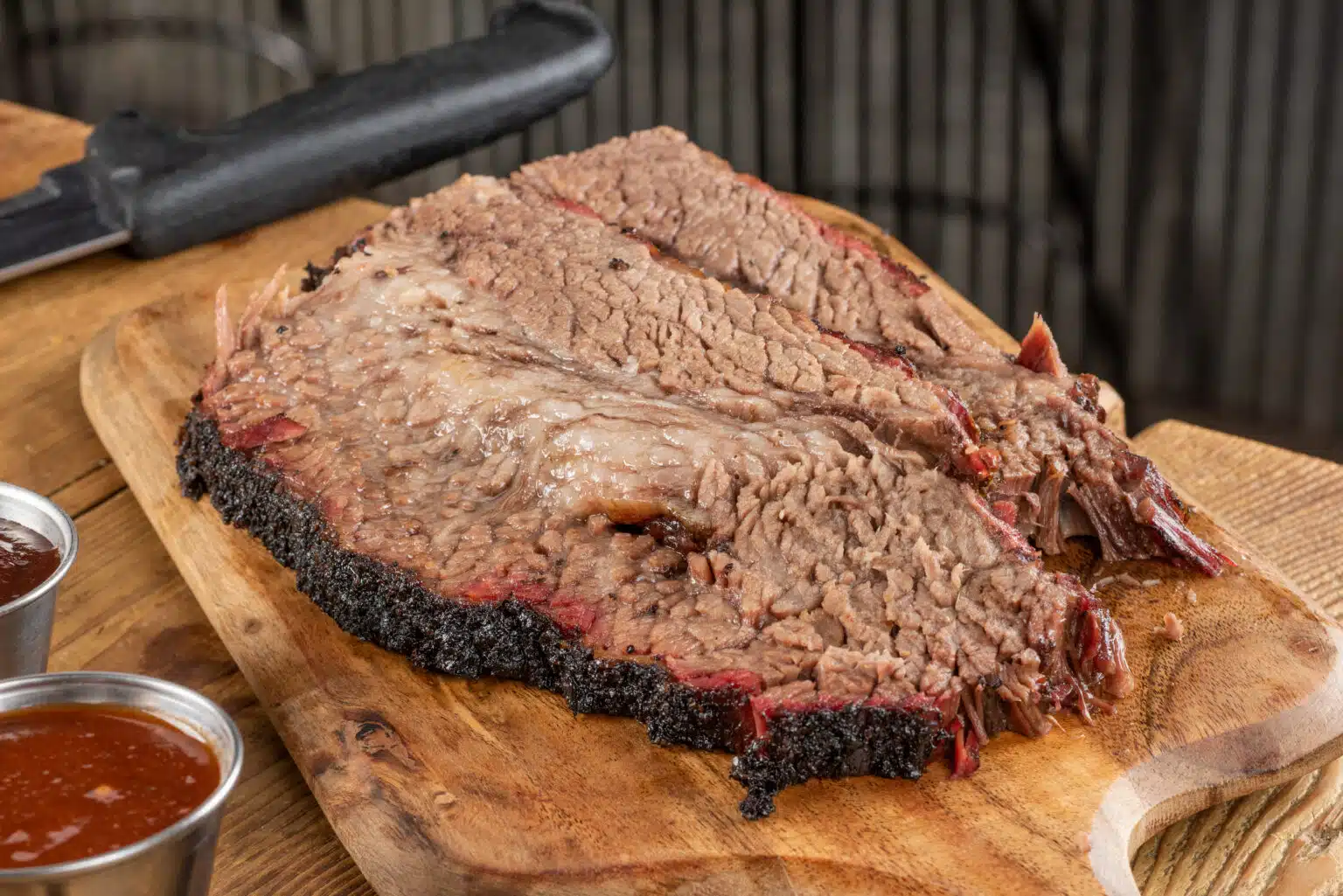
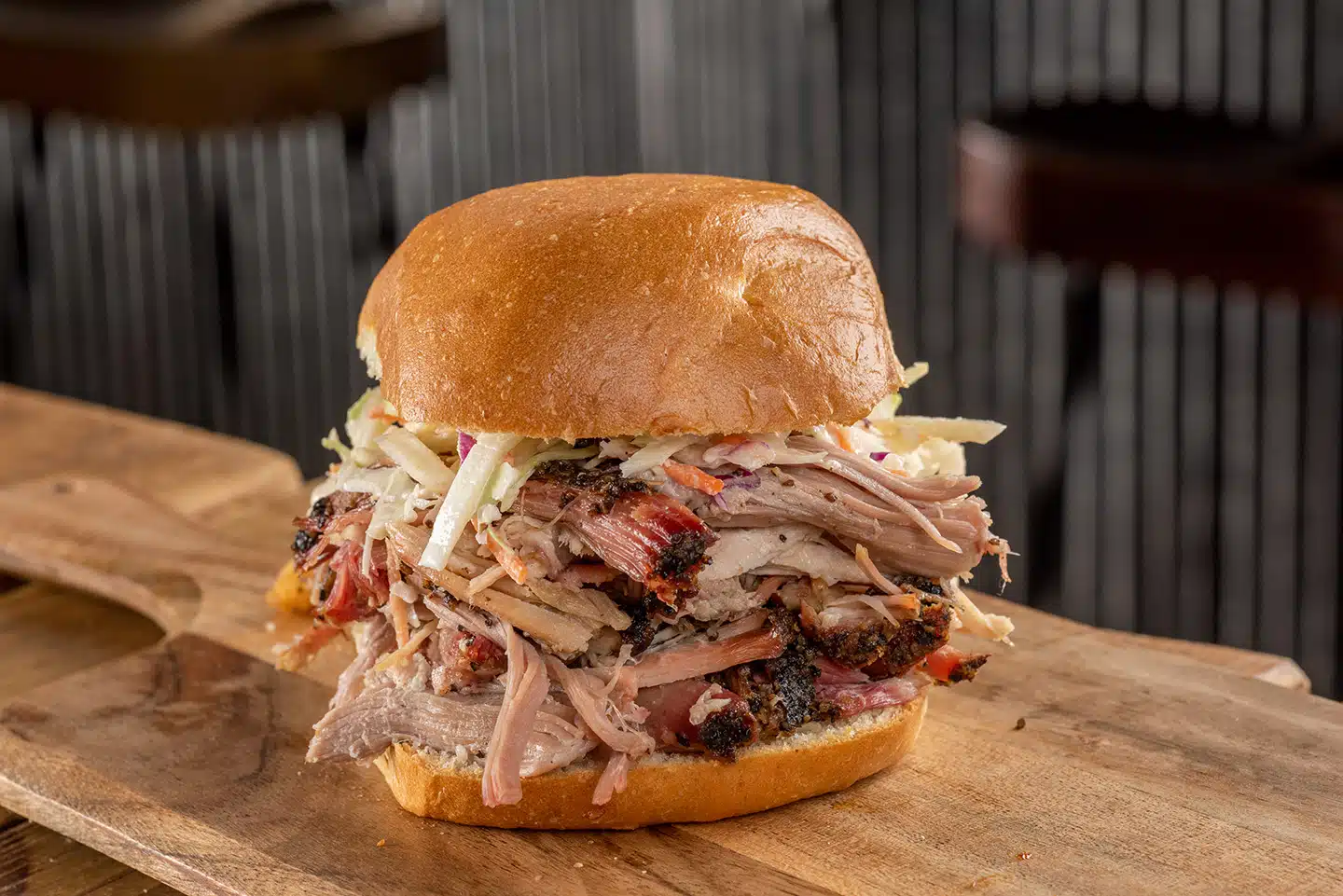
Barbecue deserves separate attention because people often assume all Southern restaurants smoke meat well. Many do not. Great barbecue demands equipment, time, consistency, and a clear point of view. In Pittsburgh, where diners know their way around hearty meat plates, mediocre barbecue gets exposed quickly. You can hide weak smoke under sauce once. You cannot build a loyal clientele on it. Pulled pork should stay moist without becoming mushy. Ribs should not slide off the bone before you touch them, despite what bad television taught a generation of diners. Brisket, if a restaurant offers it, should be sliced with enough integrity to hold together and enough rendering to feel luscious rather than chewy.
Seafood dishes can be just as important, especially if a restaurant takes inspiration from the Gulf Coast, coastal Carolinas, or New Orleans traditions. Catfish needs freshness and a clean crust. Hush puppies should be crisp on the outside and steamy inside, not dense. Étouffée, red beans and rice, and gumbo require patience more than flair. Their flavor builds in layers. You know a kitchen cares when those dishes taste settled, as if the ingredients had time to meet one another before they reached the table.
Dessert is rarely an afterthought in a good Southern restaurant. Banana pudding, peach cobbler, bread pudding, chess pie, and pecan pie all have a place, but balance matters. Southern sweets are rich, yet the best versions avoid heaviness for its own sake. Texture is crucial. Warm fruit against a crisp topping, silky custard against softened wafers, toasted nuts against syrupy filling, these contrasts keep dessert from becoming one note.
Pittsburgh neighborhoods where Southern food fits naturally
Pittsburgh’s dining geography shapes the way Southern restaurants are experienced. A place near Downtown may need to serve office workers at lunch, event crowds at night, and visitors who want something memorable before a game or show. In that setting, efficiency matters. Diners may have 45 minutes before they need to be back at work or cross a bridge to the Cultural District. Southern lunch specials, sandwiches, or meat-and-three style plates make a lot of sense there.
In neighborhoods like Lawrenceville, East Liberty, or the Strip District, diners tend to linger longer and compare restaurants more actively. They are willing to chase a strong brunch, split small plates, or debate whether the kitchen leans more traditional or more modern. Southern food can thrive in these areas, but the restaurant has to know its identity. If it is classic, it should commit. If it is blending Southern techniques with local ingredients or Pittsburgh preferences, that can work too, but only if the result still tastes rooted.
The North Side and South Side offer another set of opportunities. Near stadium traffic or nightlife corridors, comfort food has built-in appeal. Fried chicken, biscuits, po'boys, smoked meats, and cocktails with some sweetness and spice all play well before or after an event. In these areas, execution under pressure is everything. A kitchen may need to send out large volumes of food in a short window. Southern food that holds up, braises, sturdy sides, sandwiches, barbecue platters, has an advantage over more delicate fare.
The suburban ring around Pittsburgh matters too. In communities 20 to 30 minutes from the city core, family dining, parking, and consistency often matter more than trendiness. Southern restaurants with warm service and dependable portions can develop a strong repeat base in those settings. A family that finds a place where the kids will eat the chicken tenders, the adults can split smoked wings and greens, and dessert actually feels homemade is likely to come back.
Brunch, church supper, and the comfort factor
Southern food and brunch have become closely linked, sometimes to the point of caricature. There is a reason, though. Biscuits, gravy, grits, hot chicken, waffles, pimento cheese, breakfast potatoes, and sweet baked goods create the kind of table people want to linger over. In Pittsburgh, brunch is partly about food and partly about pacing. It is how people soften a winter weekend, gather after a late night, or celebrate something without the commitment of a full formal dinner.
The better Southern brunches avoid turning everything into a sugar bomb. Chicken and waffles works best when the chicken stays aggressively savory and the waffle has enough crispness to stand up to syrup. Shrimp and grits should still taste like a serious dish at 11 a.m. A biscuit sandwich should feel substantial, but not so oversized that the first ten minutes become a structural engineering problem. There is a line between abundance and excess.
Southern comfort food also carries a church supper logic that Pittsburgh understands instinctively. By that I mean food meant to feed groups generously, hold heat reasonably well, and satisfy across generations. Baked chicken, greens, sweet potatoes, casseroles, beans, cornbread, cobblers, all of it suits gatherings. Restaurants that tap into that spirit often build loyal followings because they create a feeling of welcome, not just a menu.
The trade-offs between authenticity and adaptation
People use the word authentic too casually with Southern food. The South contains many Souths. Coastal South Carolina does not eat the same way as eastern Texas, northern Mississippi, southern Louisiana, or the mountains of Appalachia. Even within a single state, traditions vary by race, geography, income, and family history. So when a diner in Pittsburgh says they want authenticity, what they usually mean is coherence, honesty, and flavor that feels true to a specific lineage.
Adaptation is not a betrayal. Every regional cuisine changes when it moves. Ingredients differ. Customer expectations differ. Staffing realities differ. A restaurant in Pittsburgh may choose to moderate spice heat slightly, source from regional farms when possible, or build a cocktail program that reflects local drinking habits. None of that automatically weakens the food. The problem comes when adaptation strips away the qualities that define the cuisine in the first place.
A smart Southern kitchen knows where it can flex and where it should not. It may swap in locally available greens depending on season, but it should not send them out undercooked and watery. It may offer a vegetarian entrée for modern demand, but that entrée still needs seasoning depth and textural care. It may pair smoked meats with local beer, which in Pittsburgh can be a very natural fit, but the beer list should support rather than overshadow the food.
Service matters more here than in many cuisines
Hospitality is part of the Southern dining tradition, and guests notice when a restaurant gets that right. This does not mean staff need to perform exaggerated friendliness or adopt a scripted warmth. It means they should be attentive, clear, and comfortable guiding people through unfamiliar dishes. A first-time diner may not know the difference between dirty rice and jambalaya, or whether a side of grits can substitute for fries. Good service answers those questions without making anyone feel out of place.
Timing also matters. Southern meals often involve richer, heavier components. If drinks take too long, if hot food sits in the window, or if entrées arrive before the table has room, the whole experience can feel cumbersome. On the other hand, when the pacing works, Southern dining feels generous and relaxed, which is exactly what many Pittsburgh diners want from it.
One practical detail that experienced diners learn quickly is to ask about daily specials and sold-out items early. Slow-smoked meats, braises, biscuits, and desserts are not always infinite. If a restaurant makes things properly, supply can run out. That is usually a positive sign, not an operational flaw, though it does require some planning.
How to order if you want the full picture
If you are trying a Southern restaurant for the first time, do not lock in on a single entrée and ignore the rest of the menu. This is one cuisine where the supporting cast tells the story. A table that shares a little gives you a much better read on the kitchen than one giant plate for one person.
A sensible first visit often includes some combination of these choices:
- One fried item, such as chicken, catfish, or oysters if available
- One smoked or braised dish
- Two or three sides that test seasoning and texture
- A bread component, ideally biscuits or cornbread
- One dessert for the table
That kind of order lets you see range. Can the kitchen fry and smoke? Can it handle vegetables with as much care as meat? Does it understand the role of bread? Does dessert feel homemade or outsourced? You learn a lot quickly.
If you are dining solo, I would still recommend ordering at least one side beyond the entrée. A bowl of gumbo or a fried chicken plate with collards or mac and cheese reveals much more than https://lanerftr625.rivetgarden.com/posts/planning-dinner-at-a-southern-restaurant-in-pittsburgh-pa an isolated sandwich. Leftovers are hardly a downside with Southern food. In some cases, they are part of the pleasure. Smoked meats, braised greens, and cobblers often eat very well the next day.
Price, value, and what diners should reasonably expect
Southern food creates an interesting tension around price. Many of its signature dishes are rooted in thrift, preservation, and making the most of humble ingredients. But restaurant economics do not care about nostalgia. Labor is expensive. Frying is messy and equipment-heavy. Smoking meat burns hours before a single plate is sold. Butter, cream, seafood, and quality chicken all add up. So while diners may think of Southern food as affordable comfort food, a serious restaurant still has to charge enough to survive.
Value, then, should be judged by execution and satisfaction rather than by whether the menu looks cheap. A biscuit basket that is clearly made in house has value. A side of greens simmered properly for hours has value. A smoked meat platter with care in every element has value. Portion size matters in Pittsburgh, yes, but portion without quality only goes so far.
It is also worth noting that Southern restaurants can serve different needs at different price points. A quick lunch of fried chicken and a side can feel accessible. A longer dinner with cocktails, appetizers, seafood, and dessert may land in special-occasion territory. Both models can work if the restaurant is honest about what it offers.
Southern cooking in the Steel City, now and ahead
The most encouraging thing about Southern food in Pittsburgh is that it no longer feels like a novelty lane on the city’s dining map. It fits too naturally for that. People here appreciate food that is filling, skillful, and unpretentious. They recognize when a plate has history behind it. They return to places that feed them well and treat them like regulars, even on a first visit.
For restaurant owners and chefs, that creates a genuine opportunity, but only if they resist shortcuts. Southern food punishes half measures. You cannot fake soul with signage or playlist choices. You need stock pots going, fryers managed carefully, biscuits mixed with restraint, greens seasoned from the start, desserts made with conviction, and a dining room that understands the difference between generous and sloppy.
For diners, the upside is clear. A great southern restaurant Pittsburgh, PA visitors and locals alike can count on offers more than comfort food. It offers a style of cooking that makes sense in this city, especially when the air turns cold, the table fills up, and everybody wants food that feels both familiar and deeply considered. In a place shaped by industry and endurance, Southern cooking has found a natural home.
Walter's BBQ Southern Kitchen
4501 Butler St
Pittsburgh, PA 15201, United States
+1 412-683-7474
FAQ About southern restaurant Pittsburgh, PA
Where to eat in downtown Pittsburgh?
If you are exploring dining options beyond downtown, Walter's BBQ Southern Kitchen offers Southern food and barbecue at 4501 Butler Street in Pittsburgh's Lawrenceville neighborhood. It is outside downtown, so allow travel time when planning your visit.
What is a must eat in Pittsburgh?
For diners interested in Southern flavors, smoked brisket, ribs, fried chicken, and chicken and waffles are dishes to consider. Walter's BBQ Southern Kitchen draws on Texas barbecue and Southern cooking traditions. Check the current menu for the dishes available during your visit.
What are some of Pittsburgh's unique restaurants?
Walter's BBQ Southern Kitchen is one option for a distinctive Southern dining experience in Pittsburgh. Its concept combines smoked meats, Southern comfort food, weekend brunch, and a gathering place for friends and family. The restaurant is located on Butler Street in Lawrenceville.
Ends · ISRAELXXLV120