Jamaican Food That Delivers Bold Taste in Every Dish
Jamaican food has a way of announcing itself before it even reaches the table. You smell the smoke first, then the warm spice, then something sharp and bright that wakes up your appetite. A good Jamaican meal does not drift quietly into the room. It arrives with character. Scotch bonnet heat, allspice depth, fresh thyme, ginger, scallion, garlic, coconut, pimento wood smoke, browned sugar, citrus, and slow-cooked richness all play a role. The result is food that feels vivid, grounded, and unmistakably confident.
What makes Jamaican cuisine so compelling is not simply that it is spicy. That is a common shortcut people use when they have only met jerk chicken or a bottle of fiery pepper sauce. The real story is much broader. Jamaican food balances heat with sweetness, smoke with freshness, and humble ingredients with careful technique. It can be rustic and celebratory at the same time. A plate of rice and peas beside stewed oxtail, fried plantain, and cabbage looks generous, but the deeper appeal is in how each component supports the others. Every element has a job.
This is a cuisine shaped by history, migration, agriculture, and necessity. African cooking traditions, Indigenous ingredients and knowledge, European colonial influence, and Indian and Chinese contributions all left marks on the Jamaican table. That layered past explains why the food tastes so complex without feeling fussy. Many of the island’s best dishes were built from practical cooking, from preserving meat, stretching provisions, seasoning assertively, and making every ingredient count.
Flavor starts with seasoning, not spectacle
One reason Jamaican food tastes so bold is that seasoning happens early and with intent. The flavor is not added at the last minute. It is rubbed in, marinated, simmered, and absorbed. Walk into a kitchen where chicken is being prepared for jerk, curry goat is resting in spice, or fish is soaking up escovitch seasoning, and you can tell immediately that this food respects time.
Green seasoning forms the backbone of many savory dishes. It usually includes scallion, thyme, garlic, onion, Scotch bonnet, black pepper, and sometimes ginger. The exact mix varies from household to household. That variation matters. Jamaican home cooking is deeply personal. One cook may lean harder on thyme and scallion for savory depth. Another may use more ginger for brightness. Someone else may add a touch of browning sauce or a squeeze of lime to sharpen the profile. There is no single master formula, only patterns and preferences that have been refined through repetition.
Allspice, often called pimento in Jamaica, is another signature. It is one of the defining flavors of the island, and it appears in both subtle and assertive ways. In jerk seasoning it gives warmth that sits beneath the chile heat. In stews it adds a slightly sweet, clove-like note without taking over. It is one of those ingredients that can make a dish taste unmistakably Jamaican even when used with restraint.
Scotch bonnet deserves its reputation, but not just for its heat. It brings fruitiness as well, almost floral when used carefully. Experienced cooks know that heat without balance is lazy seasoning. A whole Scotch bonnet simmered in a pot can perfume a dish differently than minced pepper stirred directly into a marinade. Seeds, membrane, cooking time, and quantity all change the result. That is the kind of practical judgment Jamaican cooks rely on all the time.
Jerk is more than a flavor label
Outside Jamaica, jerk is often reduced to a bottled sauce or a menu adjective. In reality, jerk is a method, a philosophy, and a cultural landmark. Traditional jerk cooking has roots in preserving and smoking meat, especially in maroon communities, where cooking techniques had to be effective, discreet, and resourceful. The classic method involves seasoning meat generously and cooking it low and slow over pimento wood, often with the meat covered to trap fragrant smoke.
That process creates something layered. You get chile heat, yes, but also sweetness, smoke, aromatic spice, and the kind of tenderness that only comes from patience. Jerk chicken is the global ambassador, but pork is equally important in many settings. The fatty richness of pork stands up beautifully to intense seasoning and long exposure to smoke.
A proper jerk marinade usually includes scallion, thyme, Scotch bonnet, allspice, garlic, ginger, and salt, with soy sauce, vinegar, cinnamon, nutmeg, or brown sugar appearing depending on the cook. The sugar content matters. Too much and the outside burns before the meat develops depth. Too little and the blend can taste harsh rather than rounded. Good jerk has tension in it. It should taste alive.
This is also where people often underestimate technique. If jerk is cooked over gas heat with no smoke, it may still be tasty, but it will not have the same depth. If the marinade only sits on the meat for twenty minutes, the flavor will feel shallow. If the pepper overwhelms the allspice and thyme, the seasoning reads one-dimensional. Jamaican food rewards cooks who understand that bold does not mean careless.
The comfort and complexity of slow cooking
For all the attention given to jerk, some of the most beloved Jamaican dishes come from the pot rather than the grill. Brown stew chicken, curry goat, stewed peas, and oxtail are all examples of how Jamaican food turns time into flavor.
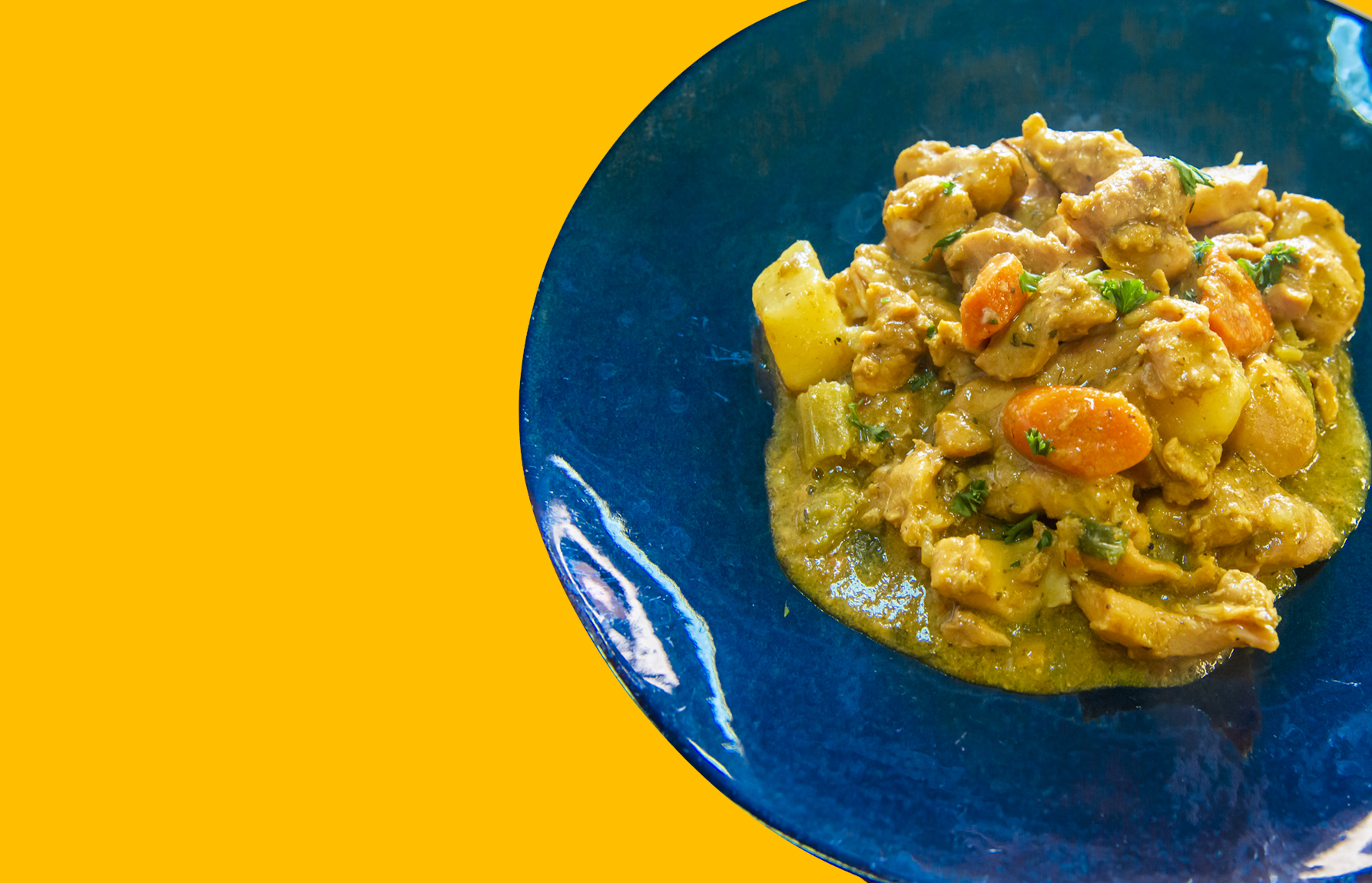
Brown stew chicken is often the first dish I mention when someone assumes Jamaican food is all smoke and fire. It starts with browned, seasoned chicken, then moves into a rich gravy with onion, tomato, sweet pepper, thyme, garlic, scallion, and often a little browning sauce for color and depth. The gravy matters as much https://remingtonwamn423.opalvector.com/posts/a-beginner-s-introduction-to-authentic-jamaican-food as the meat. It should be glossy and savory, with enough body to cling to rice but not so thick that it feels heavy. A good version has gentle sweetness from the vegetables and a subtle kick from Scotch bonnet.
Curry goat shows another side of the cuisine. Jamaican curry powder differs from many Indian blends, often with a strong turmeric presence and a profile adapted over generations to local tastes and ingredients. Goat is seasoned, marinated, and cooked until tender, often with potato added later to soak up the sauce. When it is done right, the meat yields easily but does not collapse into mush. That distinction matters. Overcooked goat loses character, and undercooked goat feels stubborn. Jamaican cooks know the middle point by feel, not stopwatch alone.
Oxtail might be the dish that best demonstrates how Jamaican cooking transforms a demanding cut into luxury. It is deeply seasoned, browned, then braised until the connective tissue melts into the gravy. Butter beans are often added toward the end, giving contrast in texture and a mild creaminess that softens the intensity of the meat. Good oxtail should taste rich but not greasy. That balance takes attention. Skimming fat, controlling braising liquid, and giving the pot enough time all make the difference.
Then there is stewed peas, which confuses many first-time diners because it is neither a thin stew nor a simple bean dish. Usually made with red peas, coconut milk, salted meat or pig’s tail, herbs, spices, and flour dumplings known as spinners, it lands somewhere between soup and hearty one-pot meal. It is deeply satisfying, especially on a rainy day or at the end of a long week. Its flavor is gentle compared with jerk, yet still unmistakably Jamaican because of the thyme, coconut, and seasoned meat.
Rice and peas is not an afterthought
Anyone who treats rice and peas as a filler beside the main dish misses one of the great achievements of Jamaican cooking. This is not plain white rice pushed to the side of the plate. Proper rice and peas is cooked with coconut milk, thyme, scallion, garlic, and often a Scotch bonnet simmered whole for fragrance. The “peas” are usually kidney beans or gungo peas, depending on the occasion and region.
Texture is critical. The rice should be separate, not gummy, and rich without becoming stodgy. Coconut milk gives body and aroma, but too much can make the pot heavy. The beans should taste integrated, not tossed in as an afterthought. When cooked well, rice and peas carries flavor on its own and also steadies stronger dishes such as jerk chicken or curry goat.
That balancing role is one reason Jamaican plates feel so complete. The side dishes are not neutral. They participate. Rice and peas absorbs gravy, softens heat, and extends the savoriness of the meal. Fried ripe plantain contributes sweetness and soft texture. Steamed cabbage adds freshness and a little crunch. Festival, that slightly sweet fried dough, offers an almost playful contrast beside smoky or spicy meat. Each item is distinct, but the plate makes sense as a whole.
Fish and seafood bring brightness to the table
Being an island cuisine, Jamaican food naturally makes strong use of fish and seafood. Yet even here, the approach is not one-note. Fish may be fried, steamed, escovitched, curried, or cooked down with vegetables and coconut milk. The treatment changes the mood of the meal entirely.
Escovitch fish is one of the sharpest, most vivid examples. Whole fish, often snapper, is fried until crisp and then topped with a hot mixture of vinegar, onions, carrots, Scotch bonnet, and allspice. The contrast is the point. Crisp fish meets acidic vegetables, heat meets sweetness, and the whole thing lands with real energy on the palate. This is not subtle food, but it is not blunt either. A strong escovitch dressing still needs control. Too much vinegar and the dish tastes harsh. Too little and it loses its signature edge.
Steamed fish shows the gentler side of Jamaican seafood cooking. With okra, carrots, onion, thyme, tomato, and sometimes crackers or bammy on the side, it can be nourishing without feeling plain. Bammy, made from cassava, is especially worth noting. It has Indigenous Jamaican roots and gives a meal a distinct texture and earthy character that bread or rice would not replicate.
Run down, often made with mackerel simmered in coconut milk, onion, tomato, thyme, and pepper, is another classic example of Jamaican resourcefulness. Salted fish and preserved fish were practical ingredients, and in the hands of Jamaican cooks they became something memorable rather than merely convenient. The sauce cooks down, or “runs down,” into a concentrated, savory coconut base that clings to the fish and vegetables. It is robust, deeply flavorful, and excellent with green banana, dumplings, or breadfruit.
Street food captures the island’s appetite
If you want to understand the everyday pull of Jamaican food, look at what people line up for casually. Street food tells you what a culture craves without ceremony. In Jamaica, that means patties, jerk from roadside drums, roasted corn, soup on a Saturday, and hot fried snacks that disappear as fast as they hit the tray.
The Jamaican patty may be the most widely recognized item, but many versions outside the island flatten its personality. A proper patty has a flaky crust, often richly colored with turmeric or curry, and a filling that is moist, seasoned, and assertive. Beef is the standard, but chicken, vegetable, shrimp, and even ackee fillings are common. The best patties hold together when you bite them, yet still deliver enough juices and spice to feel indulgent. One small detail experienced bakers watch closely is steam. If too much moisture escapes during baking, the filling dries out. If too much stays trapped, the crust softens. The line between sturdy and delicate is narrower than it looks.
Then there is coco bread, soft and slightly sweet, often used to cradle a patty. The combination works because the bread softens the spice and enriches the pastry without competing with it. It is simple, but smart.
On the sweeter side, Jamaican baked goods deserve more credit than they usually receive. Spice bun, toto, gizzada, grater cake, and rum cake all show how the island handles sweetness with spice and texture rather than mere sugar load. Coconut, nutmeg, cinnamon, vanilla, and dried fruit appear often, creating desserts and snacks that feel rooted in the same flavor logic as the savory food.
Ackee and saltfish tells a larger story
No discussion of Jamaican food feels complete without ackee and saltfish. It is Jamaica’s national dish, but calling it merely symbolic undersells its appeal. When cooked well, ackee has a delicate, almost buttery texture that surprises people who have never tried it. Paired with salted cod, onion, tomato, scallion, thyme, and Scotch bonnet, it creates a dish that is savory, fragrant, and satisfying without being heavy.
The story behind it says a lot about Jamaican cuisine. Ackee came from West Africa, while salt cod arrived through colonial trade routes. Over time, those ingredients became something distinctly Jamaican. That is a pattern seen throughout the cuisine. Imported goods, local crops, inherited techniques, and adaptation under pressure became food with its own identity.
Ackee also illustrates the value of handling ingredients with respect. It must be prepared properly, and canned ackee, while widely used outside Jamaica, behaves differently from fresh. Fresh ackee can taste more delicate, but only when harvested and cleaned at the right stage. Canned ackee is convenient and often quite good, though it is more fragile in the pan and easy to overwork. A cook with experience knows to fold it gently and season around it rather than attack it with constant stirring.
Served with fried dumplings, roasted breadfruit, green banana, or boiled yam, ackee and saltfish becomes more than a breakfast plate. It becomes a lesson in contrast, salt and softness, starch and savor, brightness and comfort.
Why the food feels bold even when it is simple
The “bold taste” people notice in Jamaican food does not always come from complexity in the restaurant sense. Often it comes from confidence. Seasoning is not timid. Cooking liquids are not bland. Starches are expected to carry flavor. Condiments are vivid. Even a straightforward dish like boiled green banana with steamed callaloo and salted fish can taste fully realized because the herbs, salt, pepper, and fat are doing real work.
There is also very little wasted effort in traditional Jamaican cooking. Techniques are purposeful. Browning meat deepens flavor and color. Marinating penetrates and tenderizes. Simmering with whole herbs infuses without muddying texture. Frying creates contrast. Vinegar and citrus sharpen rich dishes. Coconut milk rounds strong spice. Smoke adds memory to meat. These are old kitchen truths, applied consistently.
That practicality explains why the cuisine travels well into modern kitchens. You do not need a restaurant brigade or expensive equipment to cook strong Jamaican food, but you do need judgment. You need to know when a pepper should stay whole and when it should be chopped. You need to understand that thyme stems can perfume a pot but become unpleasant if left in a finished dish. You need to know that browning sauce can deepen flavor in the right amount and turn bitter if overused.
Cooking Jamaican food well outside Jamaica
For cooks working abroad, the biggest challenge is often ingredient quality and substitution. Scotch bonnet peppers are not always easy to find, and habaneros are often used in their place. That can work, but the flavor is not identical. Fresh thyme is usually available, but Caribbean thyme varieties can taste a little different. Pimento wood is rare in many countries, which means a home cook trying to make authentic jerk must improvise with charcoal, wood chips, or a smoker.
These substitutions are reasonable when made carefully. What matters is understanding what role the original ingredient played. If you cannot get pimento wood, aim for aromatic smoke rather than aggressive mesquite. If your pepper is hotter or less fruity than Scotch bonnet, use less and support it with a little sweetness or citrus. If your goat is older and tougher, allow more cooking time rather than increasing heat and hoping for the best.
Two habits improve results more than any special gadget. First, marinate longer than you think you need, especially for jerk, curry, and brown stew. Overnight is often the minimum for deep flavor. Second, taste in stages. Jamaican food develops in layers, and seasoning that feels right in the marinade may need adjustment once mixed with liquid, starch, or vegetables.
The table is generous by design
Jamaican food also stands out because it encourages abundance without requiring luxury ingredients. A family meal can include one main pot, one starch, one vegetable, and a few condiments, yet still feel celebratory. Pepper sauce on the side, a wedge of lime, a slice of avocado when in season, maybe some ripe plantain, and suddenly the meal opens up in several directions.
That generosity is cultural as much as culinary. Food in Jamaica often carries hospitality, memory, and occasion. Sunday dinners, beach cookouts, roadside jerk stops, morning patties, soup on Saturdays, fish fries, and holiday tables all have their own rhythms and signature dishes. Flavor matters, but so does the setting. The taste of jerk eaten from foil by the roadside is inseparable from the smoke in the air and the waiting crowd. A pot of soup on a Saturday morning is partly about nourishment and partly about ritual. Jamaican food is not only bold because of what is in it. It is bold because it occupies space in daily life with confidence.
That confidence is what keeps people returning to it. A cuisine this distinctive does not need to shout to prove itself. It simply keeps delivering. The heat has purpose. The smoke has depth. The sweetness has contrast. The herbs do not sit politely in the background. Every dish, from escovitch fish to curry goat to ackee and saltfish, carries the same message: flavor should be felt fully, not hinted at. That is the enduring appeal of Jamaican food, and it is why even the simplest plate can leave such a lasting impression.
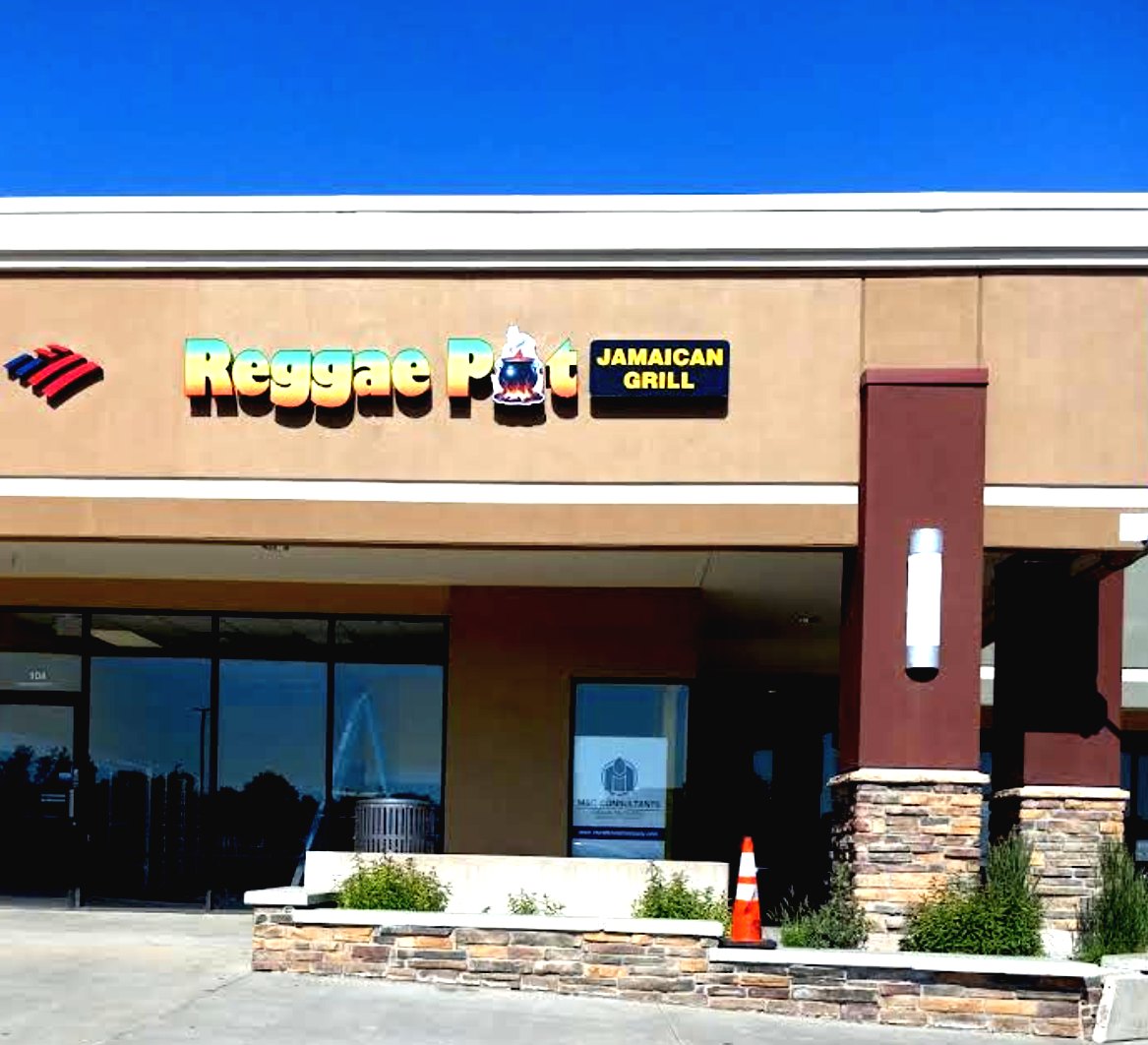
Reggae Pot Jamaican Grill
2243 S Monaco St Pkwy #104
Denver, CO 80222
+1 720-410-2956
FAQ About jamaican food
What is the best Jamaican food to try in Denver?
The best choice depends on your tastes. Popular options include jerk chicken, curry goat, slow-cooked oxtail, and savory patties. Reggae Pot lists these dishes on its menu, with sides such as rice and peas and plantains. Ask the Denver team about current availability and spice levels.
Is Jamaican food very spicy in Denver?
Heat varies by dish and preparation. Jerk seasoning often includes scotch bonnet peppers alongside herbs and allspice, while other dishes may have gentler seasoning. Ask about the heat of the specific dish and any sauce before ordering.
What are some popular Jamaican snacks?
Jamaican patties are a popular snack made with flaky pastry and savory meat or vegetable fillings. Other options include fried dumplings and festival, a sweet fried dough often served with savory dishes. Availability varies, so check the current menu when ordering.
Ends · ISRAELXXLV120