Jamaican Food in Denver: What to Order First
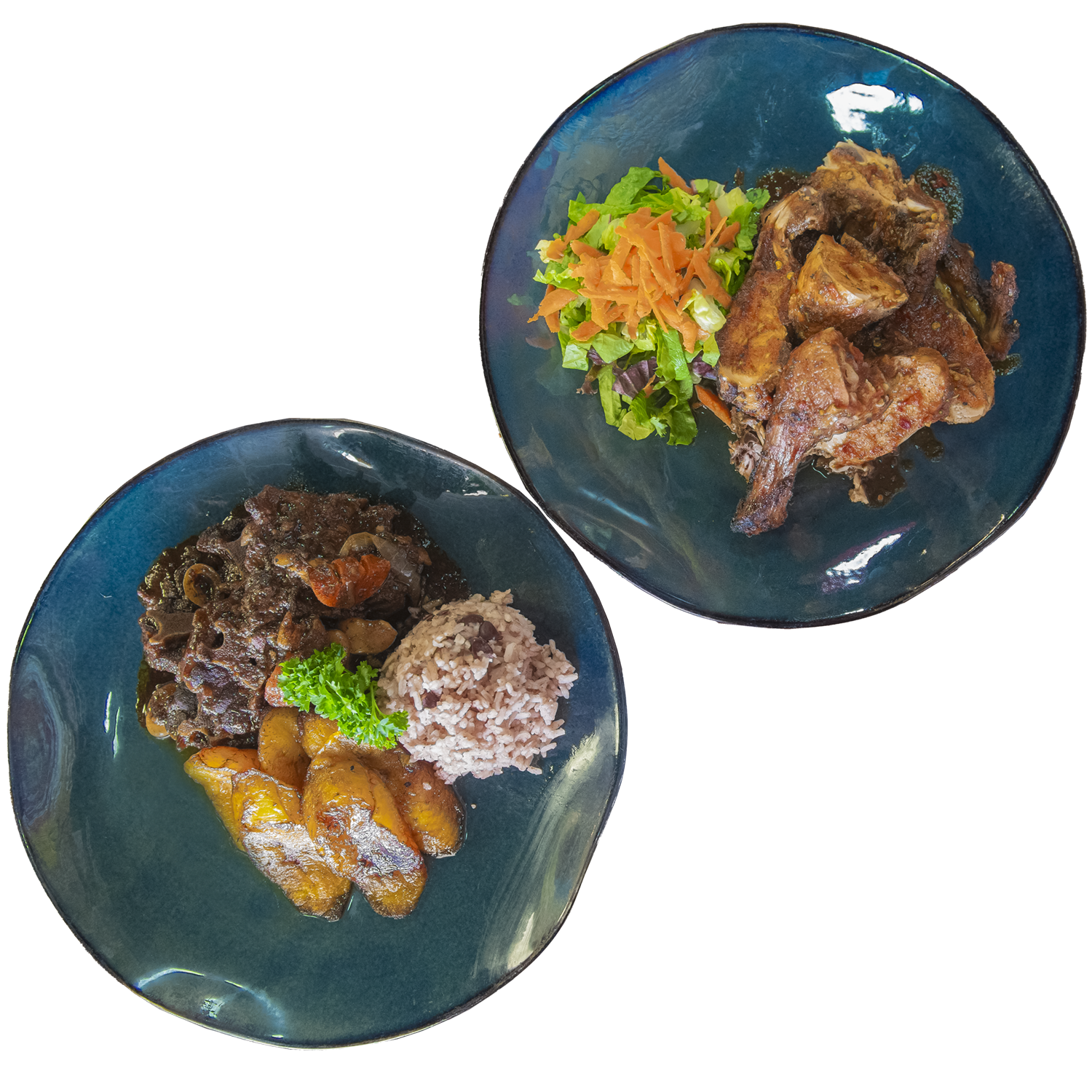
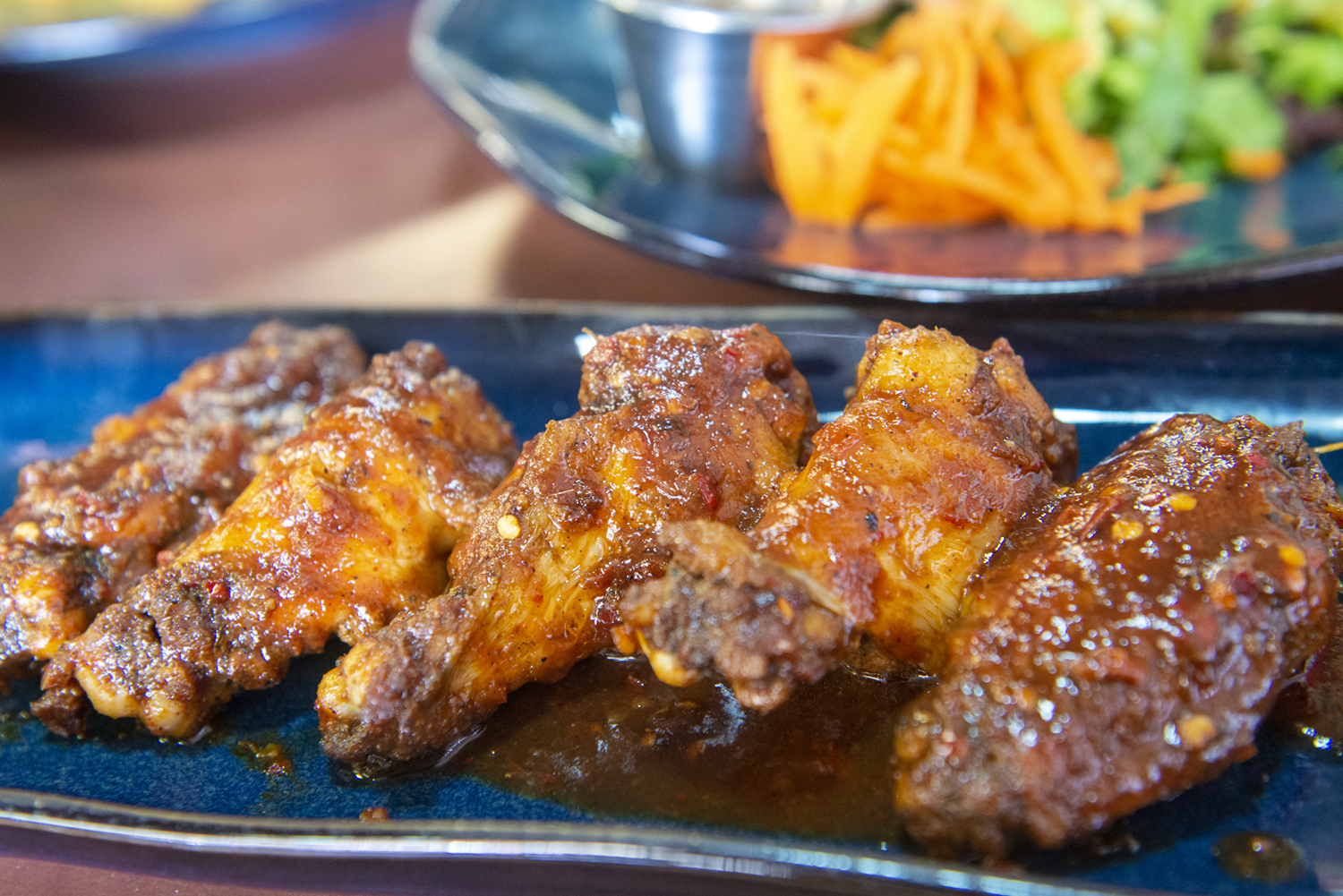
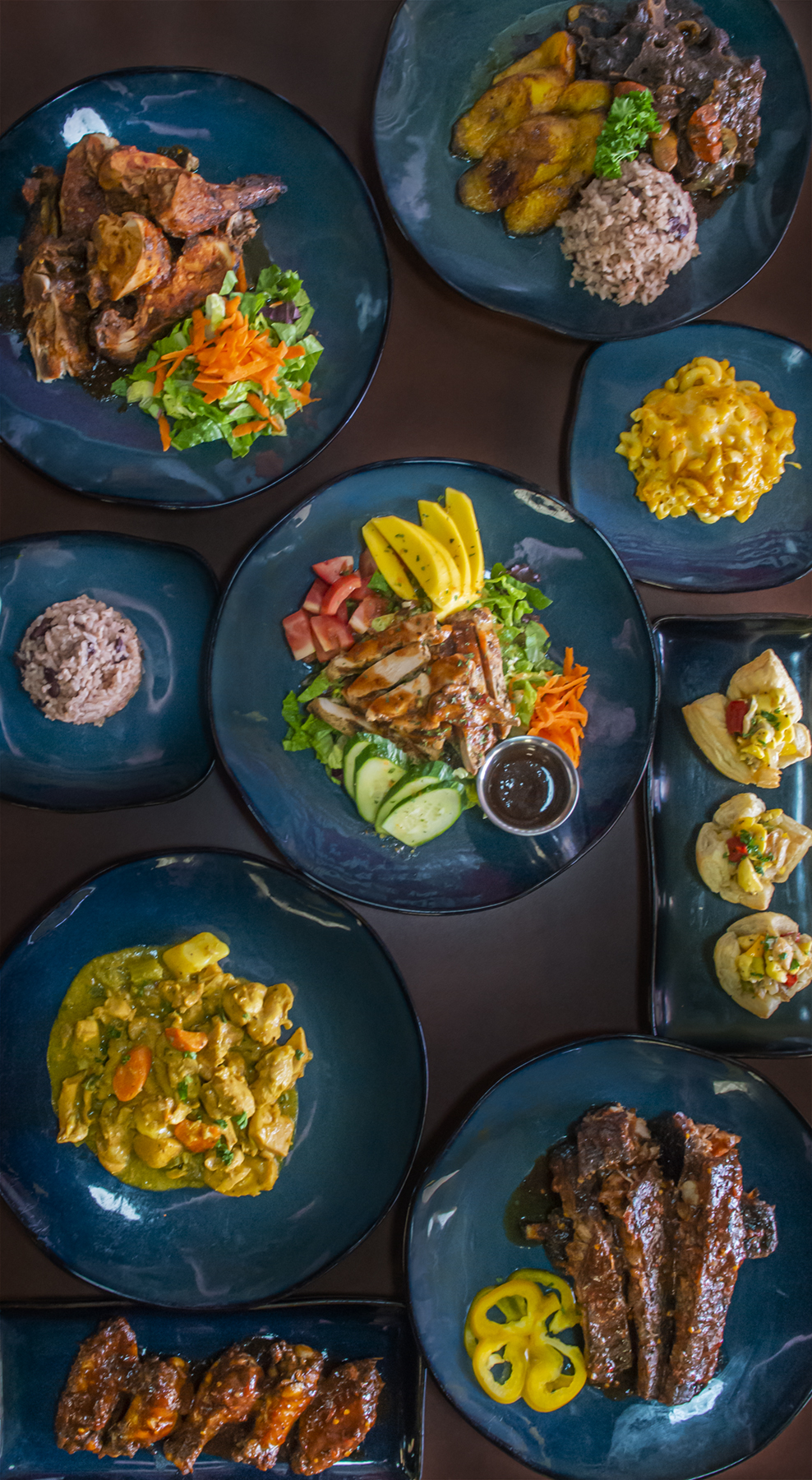
If you are new to Jamaican food in Denver, the hardest part is rarely finding something that sounds good. It is deciding where to start. A strong Jamaican menu can be deeply tempting and slightly overwhelming at the same time, especially if you are staring at dishes you have heard about for years, alongside sides and sauces that deserve just as much attention as the main plate.
The good news is that Jamaican cooking tends to be generous, direct, and memorable from the first bite. It rewards curiosity. Even when the menu is unfamiliar, the food itself is not difficult to love. Smoke, spice, sweetness, slow-cooked richness, sharp pickled notes, coconut, thyme, scallion, allspice, Scotch bonnet heat, and that unmistakable savory depth from a pot that has been handled with patience. Those are the flavors that make people loyal.
Denver is a city with a broad and increasingly adventurous dining culture, and Jamaican food fits well here. The climate practically begs for braised meats and warming curries in the colder months, while jerk chicken, patties, and fried plantains make just as much sense for a quick summer meal. Whether you are ordering from a counter-service spot, a takeout kitchen, or a fuller restaurant menu, a few dishes will tell you almost everything you need to know about the kitchen behind them.
Start with the dish that defines the kitchen
If you can only order one thing your first time, make it jerk chicken.
That answer may sound obvious, but there is a reason it keeps coming up. Jerk is not just a flavor label. In the best version, it reflects technique, balance, and confidence. Proper jerk chicken should carry heat, but heat alone misses the point. You want layered seasoning, not a blunt assault. The allspice should be present. Thyme should come through. The scallion, garlic, and ginger should have soaked into the meat rather than sitting on top of it. Most of all, there should be some relationship between smoke and spice. Even in restaurants where outdoor pimento wood smoking is not practical, the best cooks still chase that dark, aromatic, charred quality that makes jerk feel alive.
In Denver, where kitchens work with different equipment, you will see some range in style. Some versions lean dry-rubbed and smoky. Others come darker, wetter, and hotter, almost lacquered in a spicy marinade. Neither approach is automatically wrong. What matters is whether the chicken tastes seasoned beyond the skin and whether the spice blend feels deliberate. If the meat is juicy, the exterior has some char, and the heat builds gradually instead of flattening your palate, you are in good hands.
Order rice and peas with it, not plain white rice if you can help it. Rice and peas is one of those sides people underestimate until they have a good version. The “peas” are usually kidney beans, and the rice carries coconut milk, herbs, and stock. Done properly, it is not filler. It catches the juices from jerk chicken and rounds out the fire with creaminess and aroma.
Your best first order, if you want to get it right
For a first meal, I would steer most people toward one of these:
- Jerk chicken with rice and peas, plus plantains
- Oxtail with rice and peas, if you prefer rich braised dishes
- Curry goat, if you like deep spice more than smoke
- A beef patty with coco bread, if you want a quick introduction
- Escovitch fish, if you want something bright, sharp, and less heavy
That short list covers the main personalities of Jamaican cooking. Smoke, braise, curry, pastry, and vinegar-bright fish. Once you know which lane appeals to you most, the rest of the menu becomes much easier to navigate.
Why jerk chicken is still the smartest entry point
Jerk chicken gives you the broadest view of the cuisine in a single plate. You get seasoning, texture, heat management, and the restaurant’s sense of restraint or excess. You also get to see whether the sides are treated with care. A kitchen that nails jerk but gives you dry rice or flat plantains has only done part of the job.
There is another practical reason to begin here. Jerk chicken is forgiving for first-time diners. Oxtail can feel heavy if you are not in the mood for a deeply braised plate. Curry goat can be a little gamier than some people expect. Ackee and saltfish, one of Jamaica’s national dishes, is wonderful but not always the easiest first order for someone who has never tried it. Jerk chicken sits right in the middle. It is bold without being inaccessible.
If you like heat, ask whether they have house-made pepper sauce. If you do not, ask how spicy the jerk runs before ordering. Some kitchens serve a version with plenty of aromatic warmth but a manageable burn. Others come in hot enough to dominate the whole meal. There is no virtue in pretending otherwise. It is better to ask than to spend the meal reaching for every drink on the table.
Oxtail is the order for cold weather and long appetites
There are meals you crave because they excite you, and meals you crave because they settle you. Oxtail does both.
A good oxtail plate should arrive glossy and substantial, with meat that yields easily but does not collapse into stringy mush. The gravy matters as much as the meat. It should be rich from collagen and long cooking, seasoned enough to stand up to rice, and deep with onion, herbs, and browning. Some cooks let sweetness edge into the sauce, which can work beautifully if balanced. Others keep it more savory and peppery. Either style can be excellent.
In Denver, where temperatures swing and winter can drag on, oxtail is one of those dishes that earns regulars. It is not usually the cheapest thing on the menu, and for good reason. It takes time, labor, and patience. When done right, it feels like a special-occasion order even if you are eating it from a takeout container at your kitchen counter.
The one caution for first-timers is portion strategy. Oxtail can be intensely rich. If you are ordering for lunch, or if you want to taste around the menu, share it with someone and add a patty or side on the table. If you are ordering dinner and want one plate that carries the night, this is the move.
Curry goat is the sleeper hit for people who think they already know curry
Jamaican curry is not interchangeable with Indian curry, Thai curry, or the British-Caribbean versions some diners expect. The spice profile is its own thing, often warmer and more earthy, with turmeric-driven color, allspice, garlic, thyme, and Scotch bonnet playing major roles. Curry goat, in particular, rewards slow cooking. It should taste fully absorbed, not like meat tossed in sauce at the last minute.
For people who like braises but want something a little brighter and more fragrant than oxtail, curry goat often becomes the favorite. The meat has personality. The sauce clings. Rice and peas pulls in the liquid. Add a side of cabbage or plantains and you have a plate with enough contrast to stay interesting.
One thing I tell people who are curious but hesitant: do not judge curry goat by one bad experience. A poorly handled version can be bony, greasy, or harsh with spice. A good one is supple, aromatic, and balanced. It should taste cooked through with seasoning, not merely coated.
The patty is small, but it tells you a lot
There is a tendency to treat Jamaican patties like a snack you grab almost as an afterthought. That undersells them badly. A good patty is one of the cleanest expressions of flavor and texture on the menu.
The crust should be tender and lightly flaky, usually with that distinct golden hue from turmeric or curry powder in the dough. The filling should be seasoned assertively enough that a few bites still feel complete. Beef is the classic starting point, but chicken and vegetable versions can be excellent too. Some spots serve patties on their own, others tuck them into coco https://martinaxkg691.sagecurrent.com/posts/must-visit-restaurants-for-jamaican-food-in-denver bread, which adds soft, slightly sweet contrast that makes a lot of sense once you try it.
If you are exploring Jamaican food in Denver but do not want a huge commitment, order a patty first. It is ideal when you are between meetings, when you want something portable, or when you are trying a restaurant for the first time and want to test the kitchen before returning for a full meal. A weak patty often signals shortcuts. A great one usually means care is showing up in the details.
Do not overlook the sides, because they can make or break the meal
The biggest mistake first-time diners make is treating the sides as background. In Jamaican cooking, sides are part of the architecture of the plate. They are there to cool, catch, soften, sharpen, or sweeten what the mains are doing.
Rice and peas is the obvious example. It anchors jerk, curry, and braised meats better than plain rice ever could. Fried plantains bring sweetness and softness, especially welcome next to pepper heat or dark gravy. Steamed cabbage can seem modest, but a well-seasoned version gives the plate freshness and relief. Festivals, those slightly sweet fried dough fingers, are particularly good with jerk because they offset smoke and spice without muting them.
When people tell me a Jamaican meal felt one-note, it is often because they ordered without enough contrast. The best plate has tension in it. Heat against sweetness. Richness against acidity. Tender meat against char or crunch. This is not a cuisine that wants to be flat.
Fish can be the best order on the menu, if you want brightness
A lot of first-time diners skip fish because the meat dishes get more attention. That is understandable, but sometimes it means missing the liveliest plate in the room.
Escovitch fish is the prime example. Typically, it is fried and topped with a tart, spicy tangle of pickled vegetables, often onion, carrot, and Scotch bonnet. The effect is sharp, bright, and deeply satisfying. It cuts through the oil of the fried fish and wakes up everything around it. If you tend to avoid heavier braises or want a meal that feels a bit less dense, escovitch is a smart order.
There is a simple caveat here. Fish quality and frying consistency matter enormously. If the kitchen is strong with seafood, this dish can be unforgettable. If not, it can disappoint faster than a stew. When in doubt, ask what fish they are using that day and whether escovitch is one of their stronger sellers. A confident answer is usually a good sign.
Ackee and saltfish deserves respect, but maybe not as your first order
Ackee and saltfish is one of the most culturally important dishes associated with Jamaica, and when it is done well, it is superb. The ackee has a soft, almost scrambled-egg-like texture, and the salted cod brings salinity and structure. Onion, tomato, scallion, and peppers round it out. For breakfast or brunch, especially, it can be a revelation.
Still, I would not place it at the very top of the list for every first-time diner. Not because it is difficult, but because it asks for a little context. The texture of ackee is unfamiliar to many people. The saltfish can come across quite assertive if you are expecting something mild. If you are already interested in Caribbean food beyond the obvious hits, absolutely order it. If you are simply trying to get your bearings with Jamaican food in Denver, start with jerk or curry and come back to ackee once your palate has a reference point.
How to tell if a Jamaican restaurant is cooking with care
You do not need to be an expert to spot the difference between a thoughtful plate and a lazy one. A few details tend to reveal a lot:
- The meat is seasoned beneath the surface, not just on top
- The rice has aroma and structure, not dry grains or gummy clumps
- Heat feels integrated, not added as punishment
- Sauces and gravies taste cooked, not rushed
- The sides create balance instead of taking up space
What you are looking for, more than anything, is depth. Jamaican food should not taste one-dimensional. Even simple dishes should feel layered. If everything on the plate registers only as spicy, sweet, or salty, something has gone wrong.
Ordering for different moods and appetites
The right first order depends partly on what kind of eater you are.
If you like barbecue and smoke, jerk chicken is still your best bet. If you usually go for pot roast, short ribs, or other slow braises, choose oxtail. If you love curry in any form and do not mind a bit of bone-in navigation, curry goat is a strong entry. If you are hungry but not ready for a full sit-down meal, get a patty and coco bread. If you want the meal with the most lift and acidity, try escovitch fish.
This is one of those cuisines where your usual instincts often steer you well. People overthink it. They assume they need insider knowledge to order correctly. You do not. You just need to know whether you want smoke, gravy, spice, or crunch.
That said, if you are ordering for a group, variety helps. One jerk dish, one braise, one starchy side, one sweet side, and something with acid gives everyone a sense of range. Jamaican food is generous by nature, and it is at its best when several textures and flavors are moving around the table at once.
A few Denver-specific realities worth keeping in mind
Denver diners tend to appreciate bold flavor, but there is still a wide range in spice tolerance from table to table. Do not assume a kitchen’s hottest sauce is there for casual use. A small cup can go a long way, especially at altitude, where dry air can already leave you reaching for water.
Takeout also matters more than people admit. Plenty of Jamaican food travels well, especially oxtail, curry goat, and patties. Jerk chicken can still be excellent to-go, though you lose a bit of immediacy with the charred exterior if it steams too long in the container. If you are ordering delivery, braises often outperform fried items and delicate fish. That is not a knock on the kitchen. It is just physics.
Another practical point: portions can be substantial. If you are trying a place for the first time, there is no shame in over-ordering slightly and turning it into tomorrow’s lunch. In fact, some dishes, especially curry and oxtail, are often even better after a night in the refrigerator, once the flavors settle and tighten.
What I would order first, second, and third
If I were guiding a friend through their first real Jamaican meal in Denver, I would keep it simple. First visit, jerk chicken with rice and peas and plantains. Second visit, oxtail if they want comfort, curry goat if they want spice and depth. Third visit, a patty, escovitch fish, or ackee and saltfish depending on how curious they feel.
That sequence works because it moves from the familiar to the more distinct without flattening the cuisine into stereotypes. Jamaican food is not just “jerk everything.” The cooking has range. The spices shift. The textures matter. The sides matter. The best menus reward return visits because one dish never tells the whole story.
And that is really the answer to what to order first. Start with the dish most likely to show you the kitchen’s hand clearly. In most cases, that is jerk chicken. From there, follow your appetite into the richer, stranger, brighter corners of the menu. Denver has enough interest in serious food that Jamaican cooking can find the audience it deserves here. The only thing left is to order with purpose, pay attention to the details on the plate, and come back for the dish you almost chose the first time.
Reggae Pot Jamaican Grill
Address: 2243 S Monaco St Pkwy #104, Denver, CO 80222
Phone number: +17204102956
FAQ About Jamaican Food Denver
What is typical Jamaican food?
Typical Jamaican food features bold, vibrant flavors created by blending African, Taino, European, and Asian influences.
What is a famous Jamaican dish?
Ackee and saltfish is Jamaica's national dish, made by sautéing the soft local ackee fruit with salted cod, onions, tomatoes, and spicy Scotch bonnet peppers.
What food is most popular in Jamaica?
The most popular and famous food in Jamaica is Jerk Chicken, celebrated worldwide for its smoky, spicy flavor.
Ends · ISRAELXXLV120